July 17, 2026 · Stage 13 · Dole to Belfort
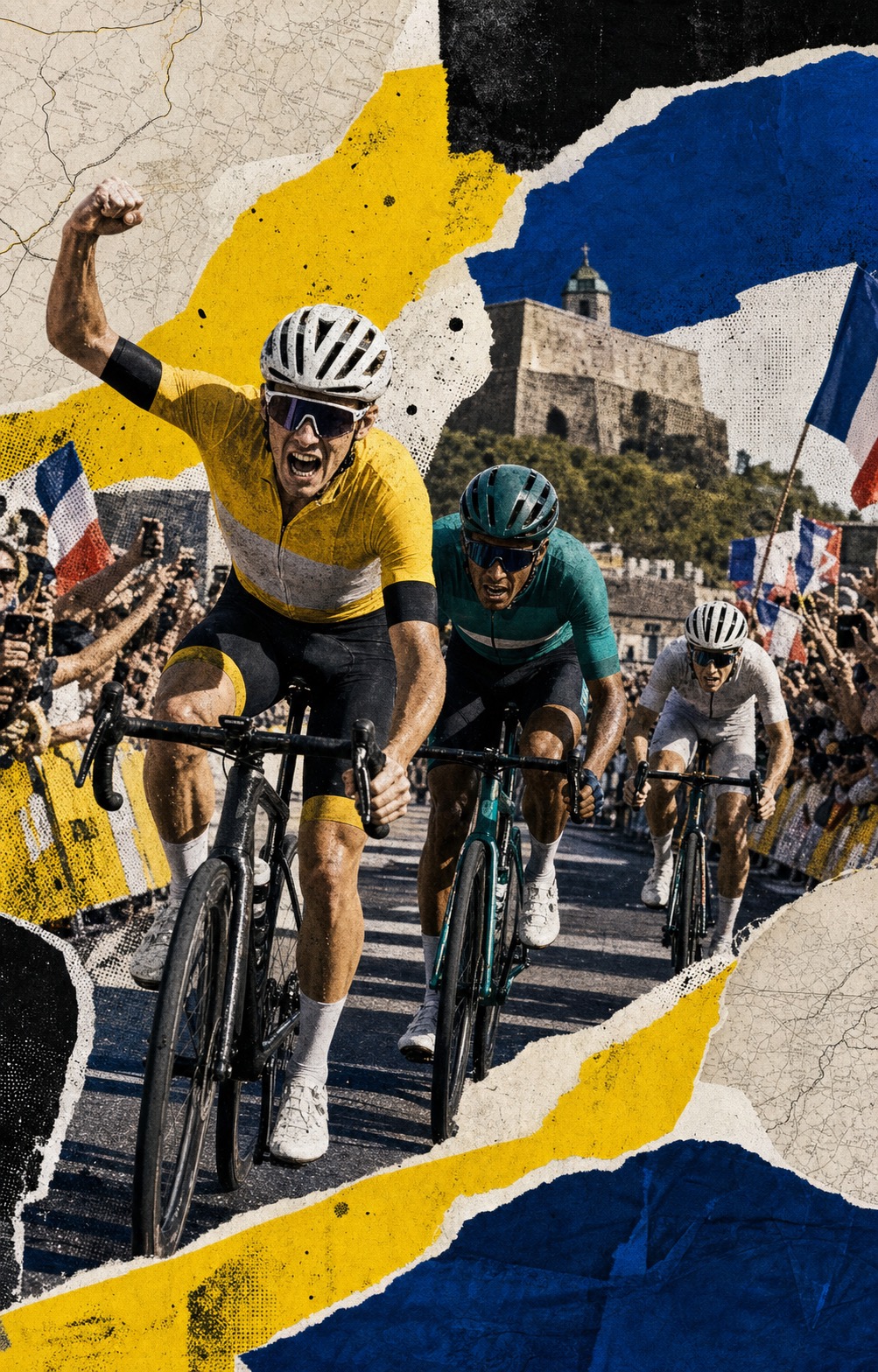
Stage 13 was supposed to be the day the Tour reopened for the opportunists, and it reopened for almost all of them at once. The road from Dole to Belfort was long enough to tempt a break, hard enough to reward climbers and puncheurs, and close enough to the Vosges weekend to make half the peloton race like tomorrow might already be too late. Out of that chaos came Mauro Schmid, who attacked over the top phase of the Ballon d'Alsace sequence, committed on the descent, then beat Harold Tejada on the line for Jayco AlUla's first Tour stage win of 2026.
The official Tour stage film framed the day around two names, and that is the right way to read it. Schmid won the stage, but Tom Pidcock changed the race. The Briton started the day 10th overall at 11:49, spent hours in a monster move that at one point put him second on the virtual GC, led the first selection over the Ballon d'Alsace, then still found enough after the descent to chase back for third place and four bonus seconds. By the time the peloton rolled in 7:32 down, Pidcock had moved to fourth overall, only nine seconds off Remco Evenepoel's podium spot.
The break took forever to settle, then swallowed the race
The first story was how much work it took just to create separation. According to the official stage film, it took 33 kilometers for the first major move to stick and more than 100 kilometers of battering before the shape of the day was fully set. UAE Team Emirates-XRG initially tried to police things, but once Brandon McNulty and Tim Wellens were represented up the road, the pressure shifted elsewhere. Jasper Philipsen made the first front group, which forced Lidl-Trek to react, and eventually Mads Pedersen helped drag a second wave across. What began as a normal stage-hunting move became a 57-man coalition with sprint points, KOM points, and GC time all folded into the same argument.
The speed numbers tell the rest. The Tour's own recap recorded 55.3 kilometers in the first hour and 51.5 in the second, which is absurd for a stage that still had a category 1 climb waiting in the final 30 kilometers. That tempo explains why the peloton could never fully reset the race and why the break's composition mattered so much more than on a routine transition day. Once Pidcock had three teammates around him, McNulty and Wellens had UAE cover, and the green-jersey battle was mixed in, nobody had a simple reason to shut it down.
Pidcock lit the Ballon d'Alsace, Schmid finished the job
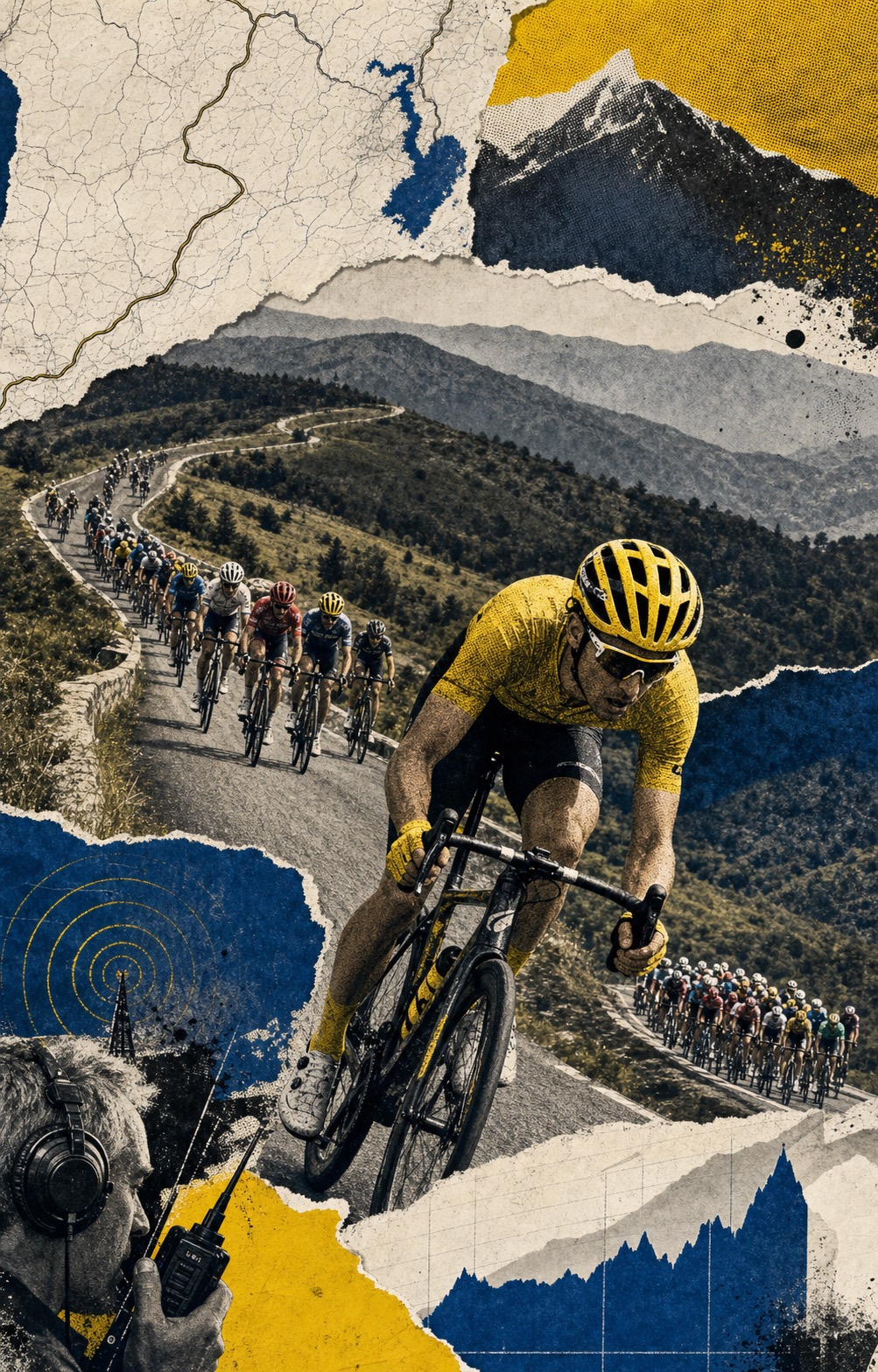
Once the race finally reached the Ballon d'Alsace, the stage became what the route had promised all along. Pidcock was the most aggressive rider on the climb and crested first from a reduced front selection that also included Schmid, Tejada, McNulty, Kévin Vauquelin, Maxim Van Gils, Luke Plapp, Jordan Jegat, and soon Wellens on the descent. The key detail from the official report is that Schmid and Tejada found daylight 16 kilometers from the finish, not with a giant uphill acceleration but with the kind of sharp, opportunistic move that only works when everyone else is already calculating the sprint.
From there the finish became a lesson in timing. Schmid and Tejada committed cleanly, opened roughly 20 seconds, and forced the chasers into a delayed pursuit. Guardian live coverage had Pidcock coming back hard in the final few hundred meters, but not hard enough. The official ranking locked the order at Schmid first, Tejada second on the same time, Pidcock third at two seconds, Van Gils fourth, and McNulty fifth. Schmid's winning ride mattered beyond the stage itself because Jayco had been active across the Tour without converting. Belfort gave them the result their aggression had been building toward.
Yellow stays with Pogačar, green stays with Pedersen, and the podium fight gets louder
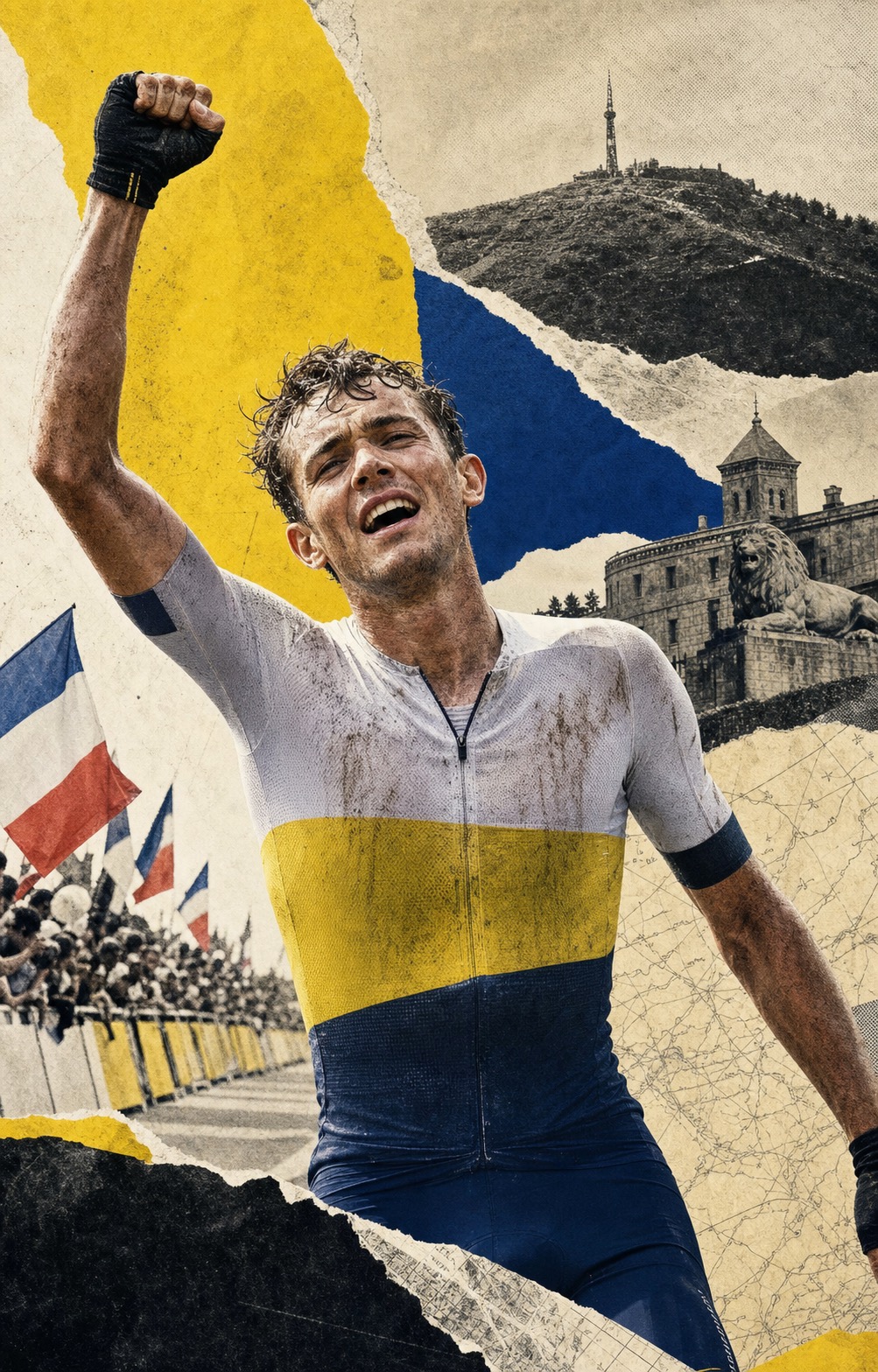
The yellow jersey itself did not move. Pogačar finished in the peloton group at 7:32 and still leads the Tour in 47:18:31, with Jonas Vingegaard unchanged at 3:36 and Evenepoel still third at 4:06. The change is just behind them. Pidcock jumped to fourth at 4:15, ahead of Juan Ayuso at 4:22 and Paul Seixas at 4:35, which means the podium race now has a new rider who looks willing to spend matches before the Alps even begin in earnest.
The other jerseys stayed stable but not quiet. The official Tour homepage lists Pedersen on 377 points in green, Jasper Philipsen up to 336, and Biniam Girmay on 333 after the intermediate sprint battle inside the break. Pogačar also continues to lead the mountains classification on 42 points, even if the polka-dot jersey is being worn on the road by Vingegaard because yellow takes priority. Ayuso remains the best young rider. In other words, Belfort did not dethrone the race leaders, but it did squeeze their margins and make the next two mountain days harder to script.
The Vosges weekend starts with no place to hide
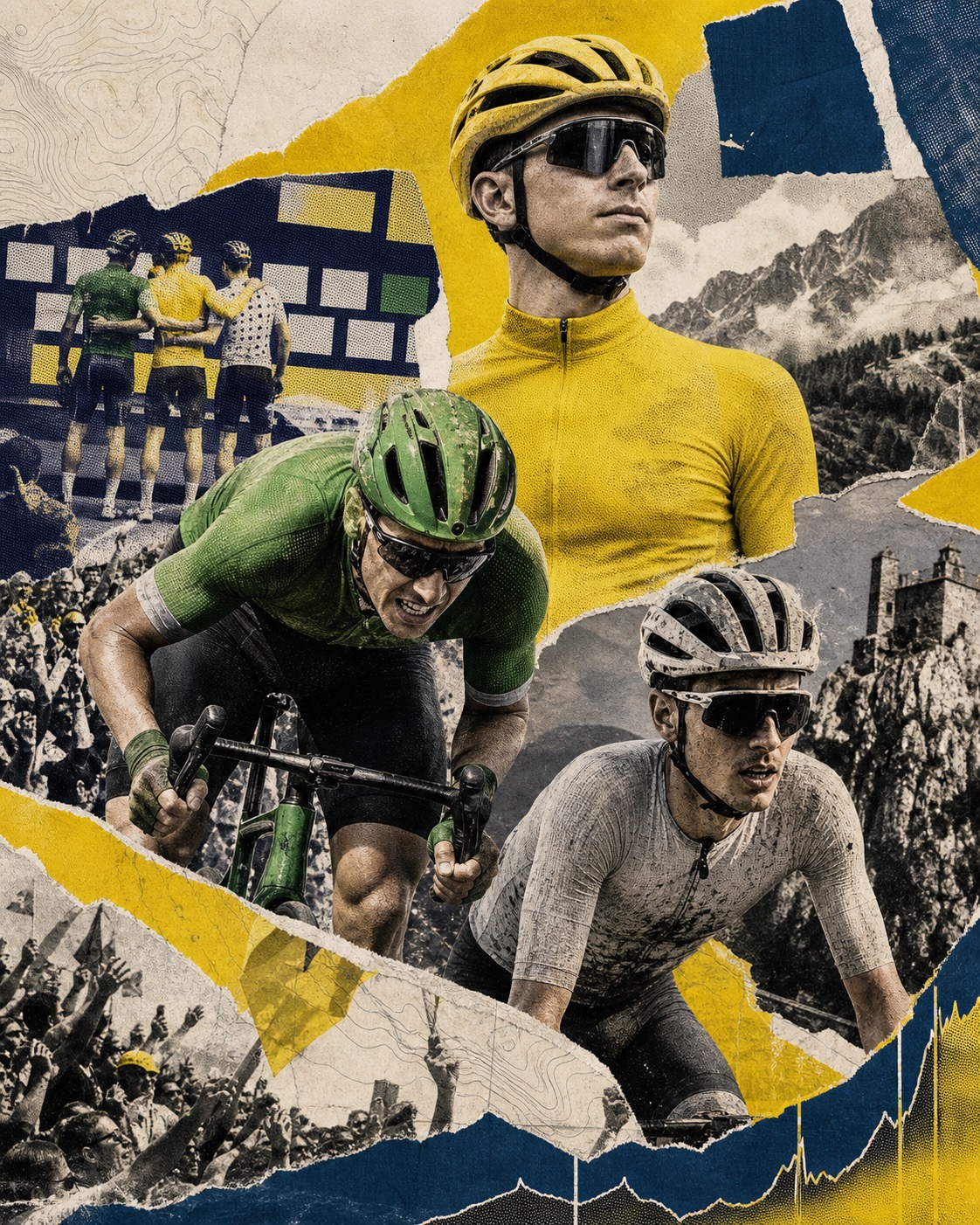
Saturday's Stage 14 runs 155.3 kilometers from Mulhouse to Le Markstein Fellering, and the Tour's own route page gives away the mood immediately: climbing begins early and keeps coming. The Grand Ballon, a second passage over the Ballon d'Alsace area, and the Col du Haag make it the kind of stage where a rider who spent too much in Belfort will find out quickly. That matters for Pidcock, who now has a real podium opening, and for Evenepoel, Ayuso, and Seixas, who no longer get to treat him as a stage hunter operating outside the main plot.
Stage 13 did not rewrite the Tour leader board at the top, but it changed the tone. Schmid took the stage, Pedersen kept green, and Pogačar kept yellow. The more important shift is that the race now heads into the mountains with a new live wire in the GC picture and with the whole peloton reminded that giving eight minutes to the wrong break can still turn the Tour sideways.
Sources
- Official Tour de France Stage 13 route and schedule page
- Tour de France official Stage 13 report: Schmid and Pidcock headline attackers' festival
- Official Tour de France Stage 13 rankings and classifications
- Official Tour de France homepage jersey leaders after Stage 13
- Official Tour de France Stage 14 route page
- The Guardian Stage 13 live coverage
- Cyclingnews Stage 13 race report
- Cyclingnews GC standings after Stage 13